Contact
Customer Service by Phone
Weekdays 7:30am – 4:30pm
Community Centre
60 Kuran Street, Chermside
Weekdays 8am – 4pm


Publish Date: 22 Jul 2026
Category: Health & Wellness
Written by Lachlan, Accredited Exercise Physiologist | Healthy Connections
These procedures are designed to reduce pain, improve mobility and help people regain their independence. However, surgery is only the beginning of the recovery journey. Regular exercise and physical activity are essential for achieving the best possible outcome.
As we age, it's natural to experience a gradual decline in muscle strength, balance and flexibility. Following surgery, these changes can become more noticeable if activity levels decrease during recovery.
Targeted exercise helps strengthen the muscles surrounding the affected joint, improve joint function and restore confidence in movement. This makes everyday activities such as climbing stairs, gardening, shopping or playing with grandchildren easier and more comfortable, helping people return to the lifestyle they enjoy.
Exercise plays an important role in improving balance and stability. Falls are a significant health concern for older Australians and can result in serious injury.
Many rehabilitation programs include balance training, helping to reduce the risk of falls and supporting safer movement both at home and in the community.
While some discomfort is expected during recovery, regular exercise can help reduce stiffness, improve circulation and ease ongoing pain.
Many people find that staying active allows them to rely less on pain medication over time, always under the guidance of their surgeon or healthcare professional.
Recovering from surgery can be physically and emotionally challenging, particularly when progress feels slow. Exercise has been shown to improve mood, reduce anxiety and increase overall wellbeing.
Reaching rehabilitation milestones - no matter how small - can also build confidence and provide a sense of achievement throughout the recovery process.
The benefits of exercise extend well beyond rehabilitation. Regular physical activity helps:
These long-term health benefits are especially important for older adults wanting to remain active, healthy and independent.
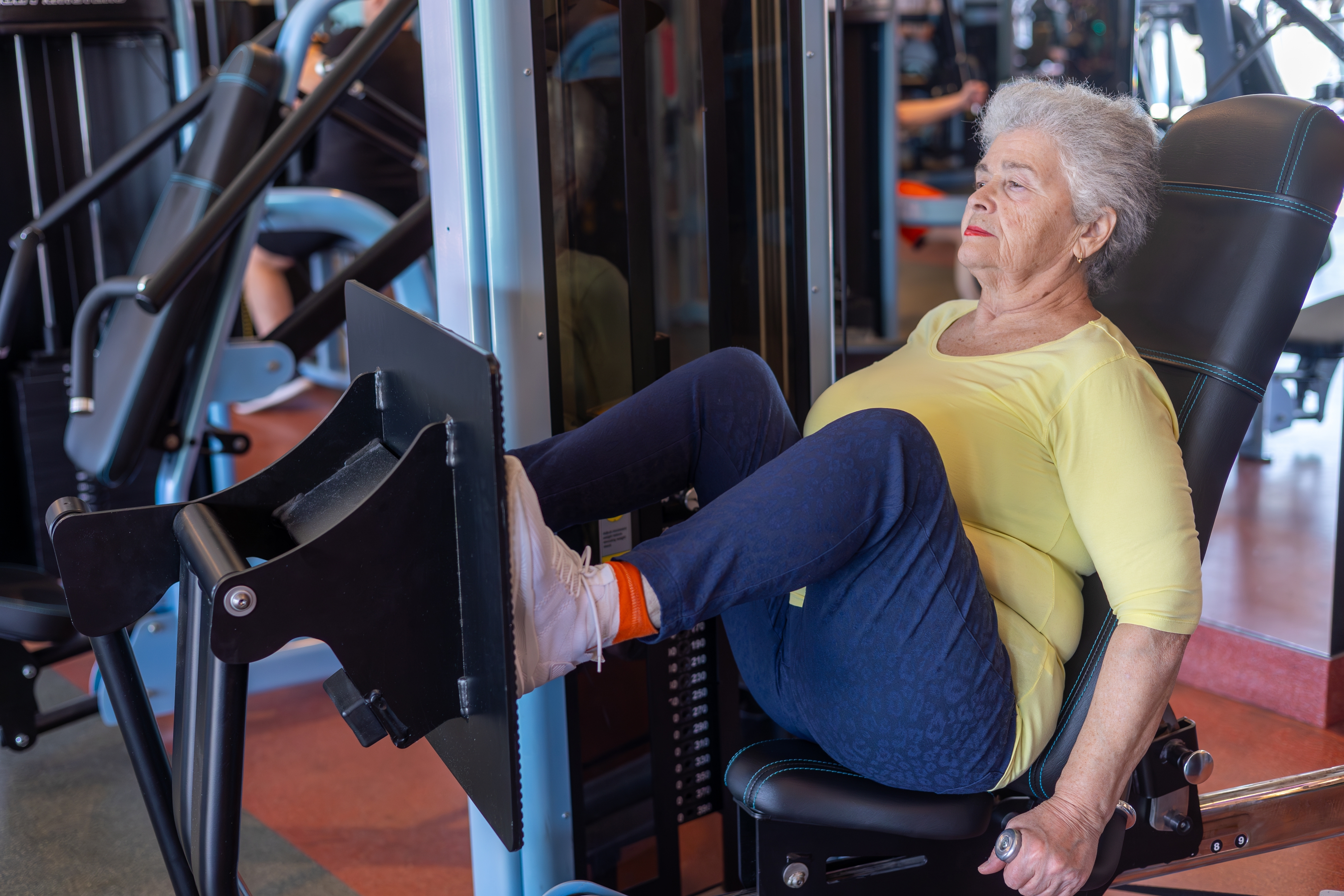
Not every exercise program is suitable for every individual. Recovery should always be tailored to the type of surgery, overall health and fitness level of each person.
Following the advice of your surgeon, physiotherapist and Accredited Exercise Physiologist is essential to ensure exercises are performed safely and effectively.
For older adults recovering from orthopaedic surgery, exercise is much more than rehabilitation - it's a pathway back to independence, confidence and a better quality of life. By staying active and following professional guidance, individuals can maximise the benefits of their surgery and continue enjoying the activities that matter most.
Whether you're preparing for surgery, recovering afterwards or simply looking to improve your strength, balance and mobility, our experienced Exercise Physiologists and Physiotherapists are here to help.
Book an initial assessment today to receive a personalised exercise plan or work one-on-one with our allied health team to achieve your recovery and health goals with confidence.
To find out more or book an appointment, contact our Healthy Connections Team.
Receive our latest
news & updates

© Burnie Brae Ltd. | ABN: 39 206 062 402 | ACN: 609 476 637
Burnie Brae Ltd. | ABN: 39 206 062 402 | ACN: 609 476 637