Contact
Customer Service by Phone
Weekdays 7:30am – 4:30pm
Community Centre
60 Kuran Street, Chermside
Weekdays 8am – 4pm


Publish Date: 1 May 2026
Category: Health & Wellness
Written by Sophie | Senior Exercise Physiologist, Healthy Connections
Falls are more common than many people think and they can happen to anyone.
In Australia, 1 in 4 people over 65 experience at least one fall each year. It’s the leading cause of injury-related hospitalisations in this age group, and one of the most frequent concerns we hear from clients at Healthy Connections.
That’s why this May, in recognition of Falls Prevention Month, we’re focusing on something simple but powerful: starting the conversation.
Falls are rarely caused by just one thing. They’re often the result of multiple factors, including:
At the core, most falls come down to a loss of balance.
The good news? Most falls are preventable.
Preventing falls begins with an open, honest chat.
Whether it’s with a healthcare provider, family member, or friend, talking about your experiences or concerns can:
Some factors can increase your likelihood of falling, including:
Many of these can be improved. With the right support, you can build strength, stability, and confidence.
Changes in balance don’t usually happen overnight - they build gradually.
Keep an eye out for:
These are early signals your body might need support.
Staying active is one of the most effective ways to reduce your risk of falling.
Regular exercise - especially strength and balance training can:
At Healthy Connections, we encourage people to speak up about:
These conversations allow us to connect you with the right support - whether that’s joining a balance program or booking an assessment with our allied health team to create a personalised exercise plan.
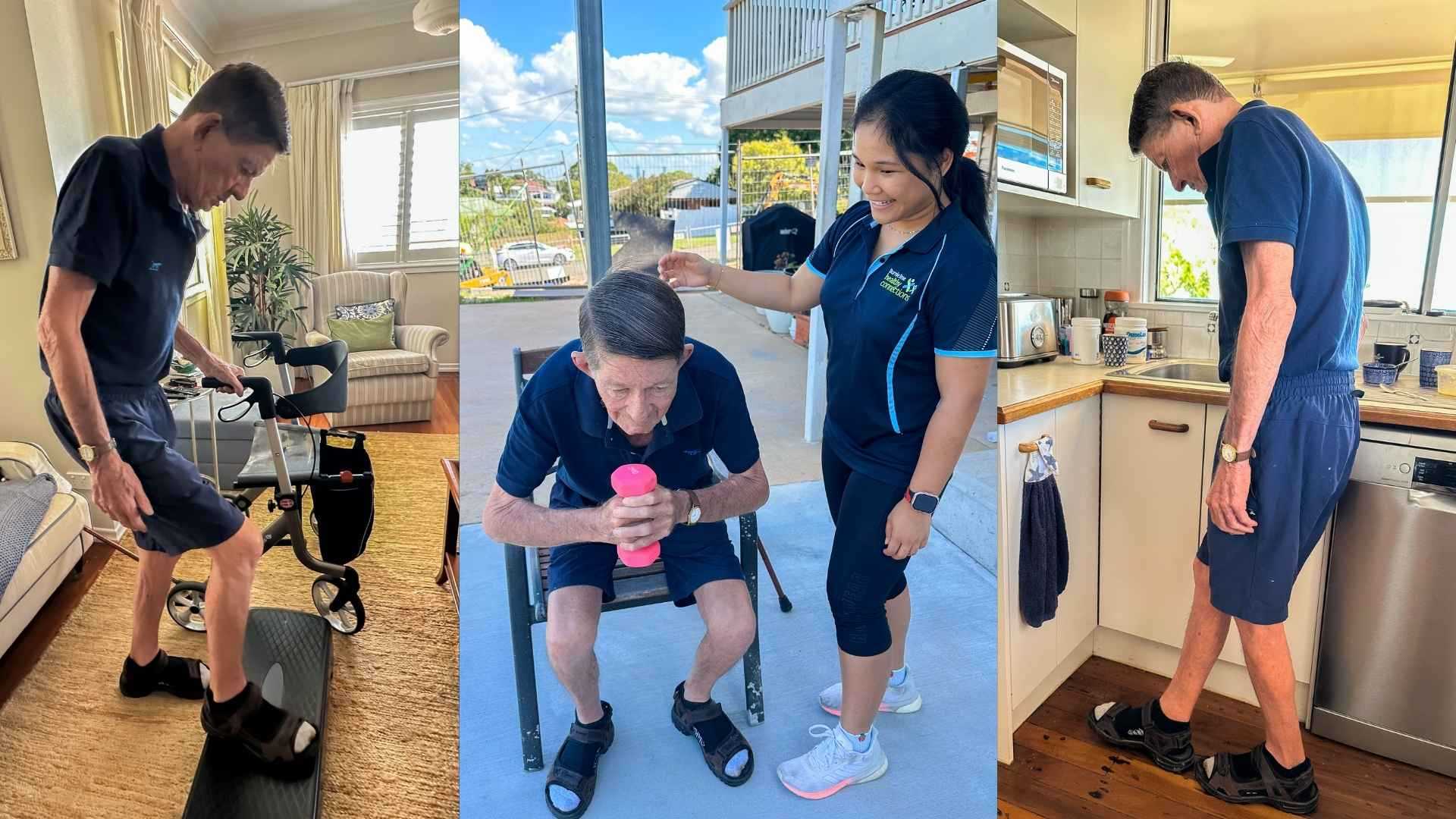
If you notice any changes in yourself or someone you care about, take a moment to check in. A simple conversation could be the first step toward staying strong, confident, and steady on your feet.
Receive our latest
news & updates

© Burnie Brae Ltd. | ABN: 39 206 062 402 | ACN: 609 476 637
Burnie Brae Ltd. | ABN: 39 206 062 402 | ACN: 609 476 637